Nine Design Ideas for Cobblestones
Cobblestones have been solving the same problem for thousands of years: a hard-wearing surface that can take real weight without shifting. What's changed is the range of stone, colour and pattern available. At Artisan Exterior, our cobblestones come in granite, limestone and basalt, in tones from charcoal and tan through to pink and green, which is what makes them as much a design decision as a practical one.
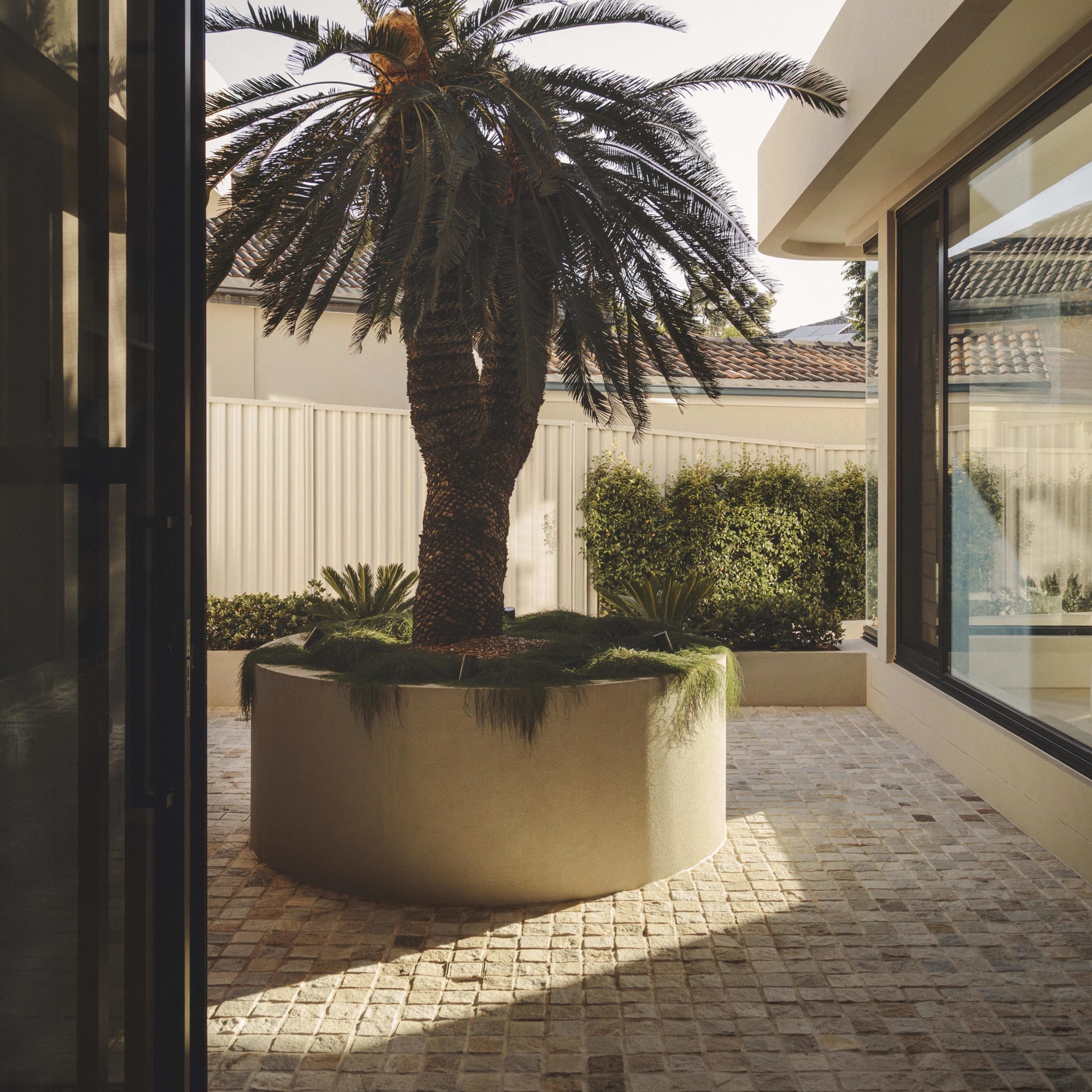
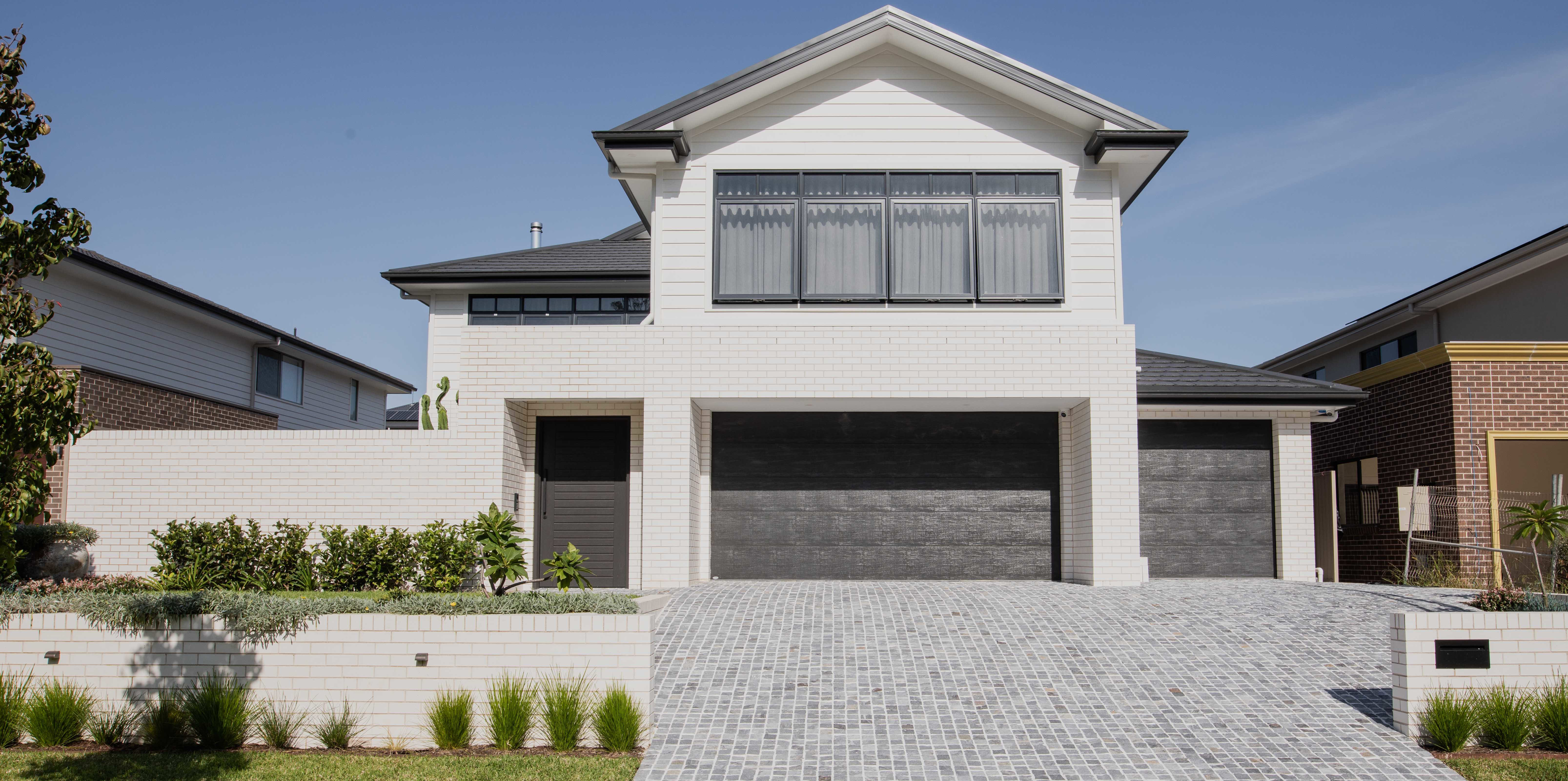
Image Below: Plume Cobblestones
1. Driveways that handle the load
Cobblestones are dense enough to take vehicle weight without displacing, and their smaller module size (compared to a large-format paver) means minor ground movement shows up as a hairline joint, not a cracked slab - a genuine durability advantage for driveways over time.
2. Paths with personality
A cobblestone path can be as formal or as relaxed as the garden around it: tight-jointed and linear for a contemporary approach, or loosely laid with wider joints and groundcover for a cottage-garden feel. View our Vari Cobblestones for inspiration
3. Laying patterns that do the design work
Fan patterns, circular medallions, running-bond and traditional random-lay each read completely differently underfoot. The pattern is often a bigger design decision than the stone colour itself, so it's worth sketching before you order.
4. Edging that defines a space
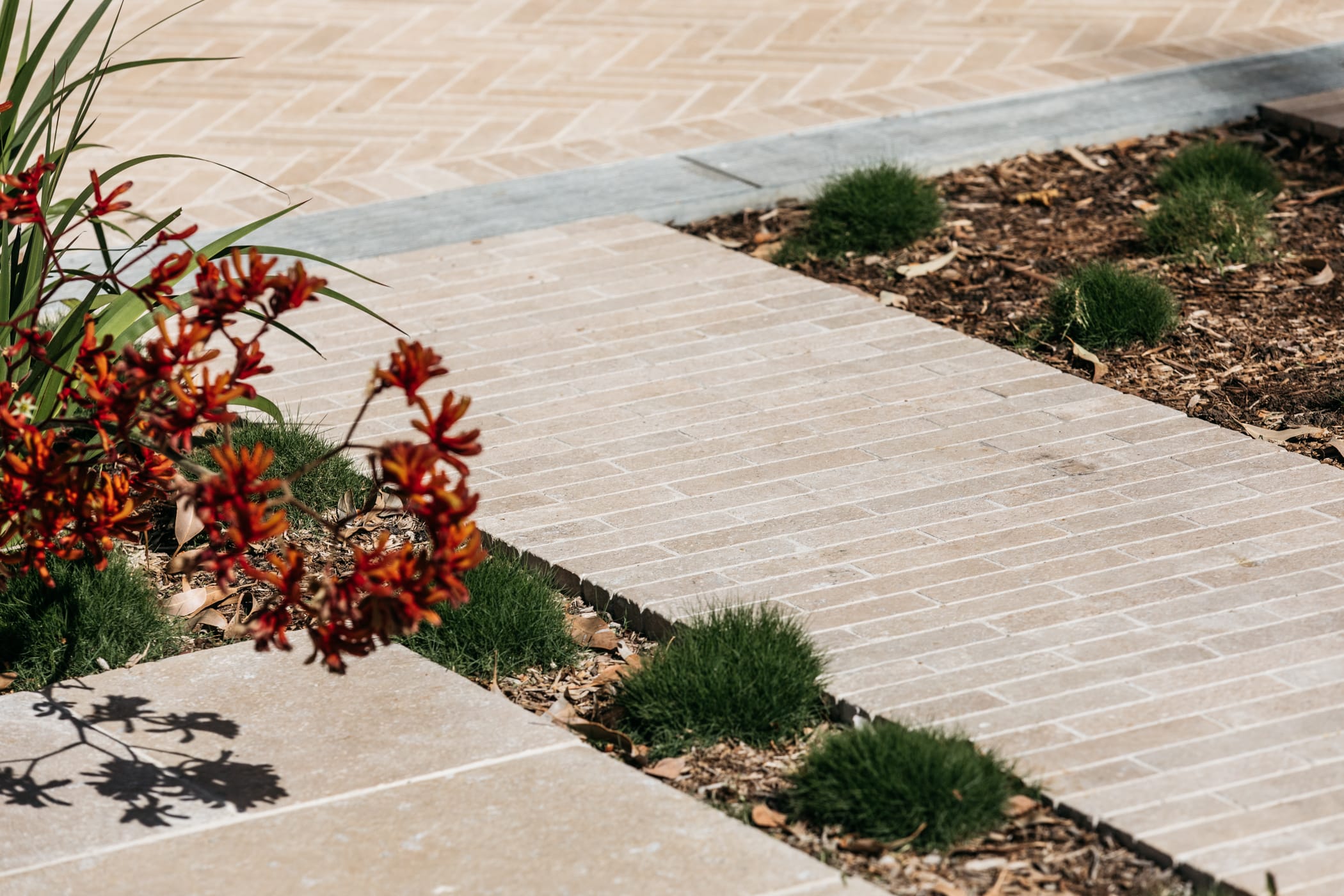
A single or double row of cobblestones makes a clean, low-maintenance edge between lawn and garden bed, or path and driveway, practical weed control that also looks considered.
Image Below: Pilvi Cobblestones
5. Courtyards with real character
Because cobblestones read as an established material rather than a new one, they're one of the fastest ways to give a new courtyard the settled, authentic feel of a much older space.
6. A focal point in landscaping
A small cobblestone medallion or surround around a water feature, tree base or sculpture draws the eye and grounds the piece in the wider landscape.
7. Mixing colour and texture
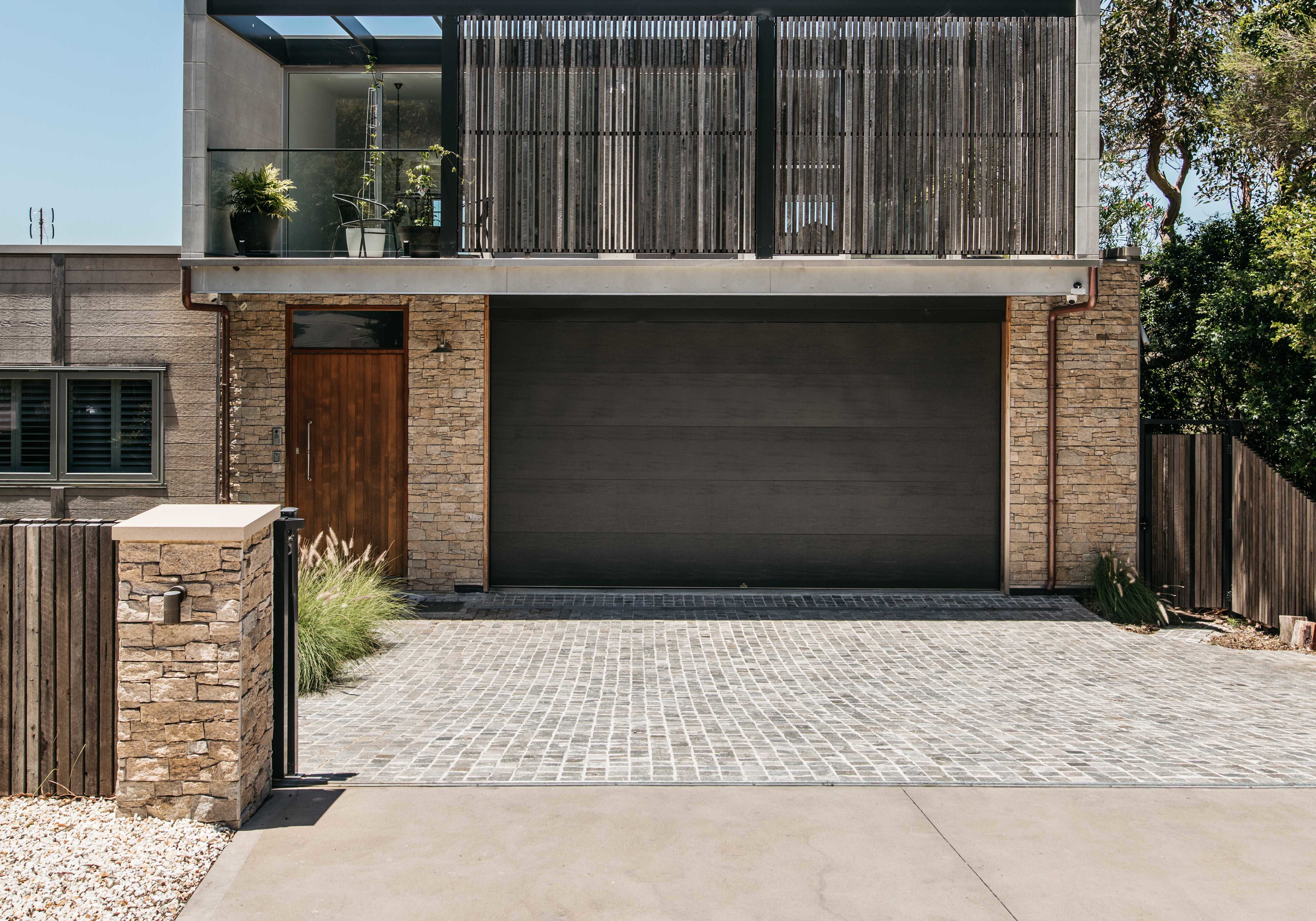
Blending two or three stone tones - say, a tan granite with a charcoal basalt - adds visual texture without needing a change of material or format.
8. Choosing the right stone
Granite - very hard and dense, our lowest-maintenance option and well suited to driveways.
Limestone - softer, warmer tones with natural variation; better suited to lower-traffic paths and courtyards, and needs regular sealing.
Basalt - dense and durable with a fine, consistent texture; a strong all-rounder across driveways, paths and courtyards.
9. Pairing with the rest of the space
Cobblestones read particularly well laid alongside natural stone wall cladding or a large-format paver, letting one material do the heavy lifting (the drive or path) while the other frames the space. See our natural stone wall cladding for how the two work together.
If you're working on a garden or landscape project and want to know which cobblestones is the right fit for your design, come and see the range in an Artisan Exterior showroom or speak directly to our accounts team at any of our four locations across Artarmon and Leppington in Sydney, Fyshwick in ACT, Fortitude Valley in QLD, we're always happy to talk finishes, formats and everything in between.